
10 Signs Your Car Needs Immediate Attention

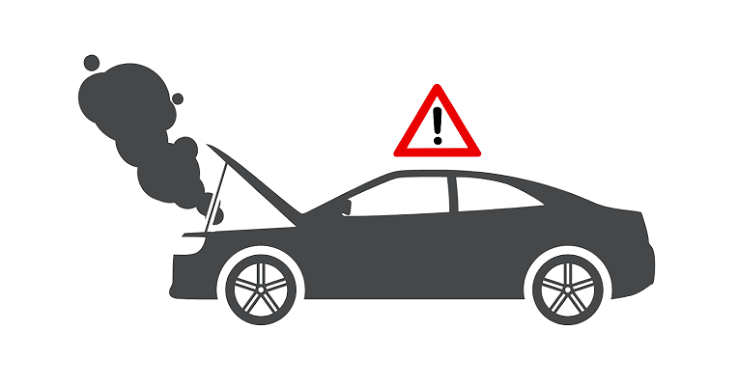
Cars rarely develop serious problems without warning. More often than not, they give subtle signs that something isn't right. Ignoring these warning signs can lead to more expensive repairs, unexpected breakdowns, or even dangerous driving conditions.
Learning to recognize early symptoms can help you address problems before they become major issues.
Here are ten signs your car should not ignore.
1. Warning Lights Stay On
Modern vehicles are equipped with dashboard warning lights that monitor different systems.
If lights such as the Check Engine, Oil Pressure, Battery, Brake, or Temperature warning remain illuminated after starting the vehicle, don't ignore them.
A warning light doesn't always indicate a serious failure, but it does mean the vehicle is asking for attention.
2. Unusual Engine Noises
Engines naturally make noise, but unfamiliar sounds deserve investigation.
Pay attention if you hear:
Knocking
Ticking
Grinding
Loud rattling
Metallic clanking
These sounds can indicate problems ranging from low oil levels to worn internal engine components.
3. Smoke from the Exhaust
A small amount of vapor on a cold morning is usually normal.
However, continuous smoke deserves attention.
Different colors can indicate different problems:
Blue smoke may suggest the engine is burning oil.
White smoke that continues after the engine has warmed up may indicate coolant entering the combustion chamber.
Black smoke may suggest excessive fuel consumption.
If the smoke is persistent, have the vehicle inspected.
4. Fluid Leaks Under the Vehicle
A small puddle under your car is never something to ignore without checking.
Vehicles rely on several fluids, including:
Engine oil
Coolant
Brake fluid
Transmission fluid
Power steering fluid
Losing any of these fluids can affect safety or damage important components.
5. Vibrations While Driving
If the steering wheel, brake pedal, or the entire vehicle vibrates unusually, something may need attention.
Possible causes include:
Tire issues
Wheel balancing
Suspension problems
Brake components
The sooner the cause is identified, the easier it may be to fix.
6. Difficulty Starting the Engine
A vehicle that struggles to start can indicate several issues.
Possible causes include:
Weak battery
Faulty starter motor
Fuel system problems
Ignition issues
Repeated hard starting should not be dismissed as "just one of those things."
7. Brakes Don't Feel Normal
Your braking system is one of the most important safety features on your vehicle.
Watch for:
Squealing sounds
Grinding noises
Soft brake pedal
Increased stopping distance
Vehicle pulling to one side while braking
Any of these symptoms should be investigated as soon as possible.
8. Engine Running Hot
If the temperature gauge rises higher than normal or an overheating warning appears, stop driving as soon as it is safe to do so.
Continuing to drive an overheating engine can cause severe internal damage.
Common causes include:
Low coolant
Cooling system leaks
Faulty thermostat
Radiator problems
9. Poor Fuel Economy
If you suddenly notice you're filling up much more often without changing your driving habits, your vehicle could be developing a problem.
Reduced fuel efficiency can result from:
Dirty air filters
Worn spark plugs
Tire pressure issues
Faulty sensors
Addressing these issues early may restore normal fuel consumption.
10. Strange Smells Inside or Around the Vehicle
Unusual odors can provide important clues.
Examples include:
Burning smell
Sweet smell
Rotten egg smell
Strong fuel smell
These odors may indicate overheating components, coolant leaks, exhaust system issues, or fuel system problems.
Never ignore persistent smells, especially if they appear while driving.
Why Early Repairs Matter
Many expensive repairs begin as relatively small problems.
Replacing a worn component early is often far less costlay than waiting until it causes damage to surrounding parts.
Routine maintenance and prompt inspections help extend your vehicle's lifespan while improving safety and reliability.
Santonis Insight
A car is much like the human body—it often gives warning signs before a serious problem develops.
Paying attention to unusual sounds, smells, vibrations, or warning lights can help prevent costly repairs and keep your vehicle performing at its best.
Preventive maintenance is almost always less expensive than emergency repairs.
Final Thoughts
No vehicle is completely immune to wear and tear.
The key to long-term ownership is recognizing problems early and addressing them before they become major failures.
If your vehicle begins showing any of these warning signs, don't rely on guesswork. Have it inspected by a qualified technician and keep up with regular maintenance.
Looking after your car today can save you significant time, money, and inconvenience tomorrow.
Looking for Your Next Car?
Regular maintenance helps every vehicle last longer, but there comes a time when replacing your car becomes the smarter financial decision. When that time comes, Santonis Car Catalog helps you compare vehicles from multiple dealers, making it easier to find your next car with confidence.


Comments