
12 Common Car Myths That Many Drivers Still Believe


Not every piece of car advice passed from one driver to another is true.
Some automotive myths have been repeated for decades, even though modern vehicles work very differently from the cars of the past.
Believing these myths can cost you money, shorten your car's lifespan, or even create unnecessary maintenance.
Let's separate fact from fiction.
Myth 1: Premium Fuel Makes Every Car Perform Better
The Myth
Premium fuel gives every vehicle more power and better performance.
The Reality
Only vehicles designed to use premium fuel will benefit from it.
If your manufacturer recommends regular petrol, using premium fuel usually won't increase horsepower or improve fuel economy enough to justify the extra cost.
Always follow your vehicle manufacturer's fuel recommendation.
Myth 2: You Must Warm Up Your Car for 10 Minutes Before Driving
The Myth
Every car should idle for several minutes before you start driving.
The Reality
Modern engines don't require long warm-up periods.
Instead of idling for 10 or 15 minutes, start the engine, wait a short moment for oil to circulate, then drive gently until the engine reaches normal operating temperature.
Excessive idling wastes fuel.
Myth 3: Bigger Engines Are Always Faster
The Myth
The larger the engine, the faster the car.
The Reality
Engine size is only one factor.
Vehicle weight, turbocharging, transmission design, gearing, and horsepower all influence performance.
A smaller turbocharged engine can outperform a larger naturally aspirated engine in many situations.
Myth 4: You Only Need to Check Your Oil During Servicing
The Myth
If you service your car regularly, there's no need to check the oil yourself.
The Reality
Oil levels can change between services.
Checking your oil once a month or before long trips helps detect leaks or excessive oil consumption before they become serious problems.
Myth 5: A Clean Engine Means a Healthy Engine
The Myth
If the engine looks spotless, the vehicle must be in excellent condition.
The Reality
Appearance can be misleading.
An engine can be freshly cleaned moments before a sale.
A proper inspection should focus on performance, maintenance history, warning lights, leaks, and overall condition—not just cleanliness.
Myth 6: You Should Inflate Tires to the Maximum Pressure Printed on the Tire
The Myth
The number printed on the tire sidewall is the pressure you should always use.
The Reality
The sidewall shows the maximum pressure the tire can safely handle—not the recommended operating pressure.
The correct tire pressure is usually listed:
Inside the driver's door frame
In the owner's manual
Sometimes inside the fuel flap
Using the wrong pressure can reduce grip, increase tire wear, and affect fuel economy.
Myth 7: Manual Cars Always Save More Fuel
The Myth
Manual transmissions are always more fuel-efficient than automatic cars.
The Reality
Years ago, this was often true.
Today, many modern automatic transmissions are just as efficient—and in some cases even more efficient—than manual gearboxes.
Technology has changed significantly.
Myth 8: If the Check Engine Light Goes Off, the Problem Has Disappeared
The Myth
The light is gone, so everything is fine.
The Reality
Not necessarily.
Some faults occur intermittently.
The warning light may disappear temporarily while the fault remains stored in the vehicle's computer.
Ignoring repeated warning lights can lead to bigger problems later.
Myth 9: You Only Need to Replace One Tire
The Myth
If one tire wears out, replacing just that tire is always enough.
The Reality
It depends.
If the remaining tires have significant wear differences, replacing only one can affect handling, braking, and traction.
Some vehicles—especially all-wheel drive (AWD) systems—may require tires with closely matched tread depth.
Always seek professional advice before replacing a single tire.
Myth 10: Expensive Engine Oil Is Always Better
The Myth
The most expensive oil is automatically the best.
The Reality
The best engine oil is the one that meets your vehicle manufacturer's specifications.
Using the correct viscosity and quality standard matters more than choosing the highest-priced product.
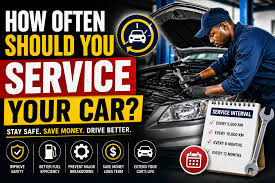
Myth 11: More Frequent Servicing Is a Waste of Money
The Myth
Servicing only becomes necessary when something breaks.
The Reality
Routine maintenance is designed to prevent breakdowns—not react to them.
Replacing fluids, filters, and worn components on schedule is usually much cheaper than repairing major failures later.
Myth 12: Every Warning Light Means You Should Panic
The Myth
Any warning light means your engine is about to fail.
The Reality
Some warning lights indicate urgent problems.
Others simply tell you that a system needs inspection soon.
The important thing is understanding which warning lights require immediate action and which require prompt diagnosis.
Ignoring them is far more dangerous than understanding them.
Why These Myths Persist
Many automotive myths started decades ago when vehicles were built very differently.
As technology improved, some advice became outdated—but the myths continued to spread through word of mouth and social media.
The best way to care for your vehicle is to rely on current, accurate information rather than assumptions.
Santonis Insight
Good car ownership isn't about knowing every technical detail.
It's about making informed decisions.
Question advice that begins with, "I've always done it this way."
Cars continue to evolve, and the best maintenance practices evolve with them.
Final Thoughts
Not every popular car tip is correct.
By separating myths from facts, you can avoid unnecessary expenses, improve your vehicle's reliability, and make smarter maintenance decisions.
The more you understand your car, the easier it becomes to keep it running safely and efficiently for years to come.
Learn More With Santonis
At Santonis Car Catalog, we believe informed drivers make better decisions. Explore our growing library of automotive guides, buying advice, and maintenance tips designed to help you get the most from every journey.


Comments