
15 Simple Car Maintenance Tips That Can Save You Thousands in Repairs

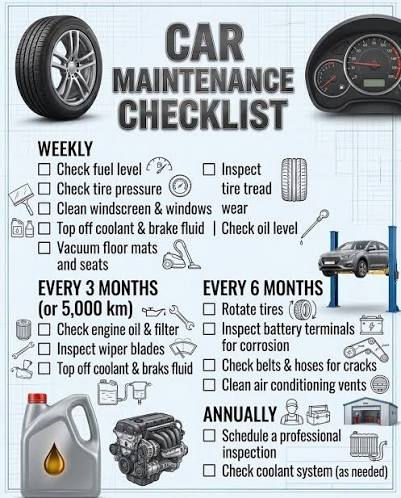
Owning a car is one thing.
Keeping it reliable for years is another.
Many major vehicle repairs don't happen overnight. They often begin as small problems that were ignored for weeks or months.
The good news is that you don't have to be a mechanic to keep your car in good condition.
A few simple habits can significantly extend your vehicle's lifespan, improve safety, and reduce unexpected repair bills.
Here are 15 maintenance tips every car owner should follow.
1. Check Your Engine Oil Regularly
Engine oil lubricates moving parts and helps prevent excessive wear.
Check the oil level at least once a month or before long trips.
Low or dirty oil can lead to severe engine damage if ignored.
2. Monitor Tire Pressure
Driving with incorrect tire pressure can cause:
Poor fuel economy
Uneven tire wear
Reduced handling
Longer braking distances
Check your tire pressure at least once a month and before long journeys.
3. Replace the Air Filter When Needed
A clean air filter helps the engine breathe properly.
Replacing a clogged filter can improve engine performance and fuel efficiency.
4. Don't Ignore Dashboard Warning Lights
Warning lights are your car's way of asking for attention.
Ignoring them can turn a minor issue into an expensive repair.
If a warning light stays on, have it diagnosed as soon as possible.
5. Listen to New Noises
Cars usually don't make new sounds without a reason.
Knocking, squealing, grinding, or clicking noises should never be ignored.
Early diagnosis often means lower repair costs.
6. Check Coolant Levels
Coolant helps regulate engine temperature.
Low coolant can cause overheating, one of the quickest ways to damage an engine.
Always check coolant when the engine is completely cool.
7. Replace Windshield Wipers
Good visibility is essential for safe driving.
If your wipers leave streaks, skip across the glass, or make noise, it's time for a replacement.
8. Keep Your Battery Terminals Clean
Corroded battery terminals can lead to starting problems.
Inspect them occasionally and clean away corrosion if necessary.
9. Wash Your Car Regularly
Washing your vehicle isn't just about appearance.
Removing dirt, road salt, bird droppings, and other contaminants helps protect the paint and reduce the risk of corrosion.
Don't forget to clean underneath the vehicle occasionally, especially if you drive on muddy or dusty roads.
10. Pay Attention to Your Brakes
Your brakes are one of your car's most important safety systems.
If you notice:
Squealing
Grinding
Vibrations
Reduced braking performance
have them inspected immediately.
11. Rotate Your Tires
Rotating your tires helps them wear more evenly.
Even tire wear improves handling, extends tire life, and provides better value for money.
Follow your manufacturer's recommended rotation schedule.
12. Keep the Interior Clean
A clean interior isn't just more enjoyable.
Regular cleaning helps preserve:
Seats
Dashboard
Carpets
Controls
It can also improve resale value.
13. Don't Overload Your Vehicle
Every vehicle has a maximum load capacity.
Carrying excessive weight increases:
Fuel consumption
Brake wear
Suspension wear
Tire wear
Only carry what you need.
14. Follow the Maintenance Schedule
Your owner's manual includes recommended service intervals.
Routine servicing helps identify worn parts before they fail.
Skipping scheduled maintenance may save money today—but often costs more later.
15. Drive Smoothly
Your driving habits affect your vehicle more than you may realize.
Smooth acceleration, gentle braking, and avoiding unnecessary speeding reduce wear on:
The engine
Transmission
Brakes
Tires
Suspension
A calm driving style benefits both your car and your wallet.
Why Preventive Maintenance Matters
Preventive maintenance is usually much cheaper than emergency repairs.
For example:
Replacing engine oil is far less expensive than replacing an engine.
Replacing brake pads costs much less than replacing damaged brake discs.
Fixing a small coolant leak is cheaper than repairing an overheated engine.
Small maintenance tasks today can prevent major expenses tomorrow.
Santonis Insight
Many people think maintaining a car is expensive.
In reality, neglecting a car is usually far more expensive.
The most reliable vehicles aren't always the newest ones.
They're often the ones owned by drivers who pay attention to small details before they become big problems.
Good maintenance isn't just about protecting your investment.
It's about making every journey safer, smoother, and more dependable.
Final Thoughts
Your car doesn't need constant attention, but it does need consistent attention.
Simple habits like checking fluids, monitoring tire pressure, listening for unusual noises, and following your maintenance schedule can add years to your vehicle's life.
A well-maintained car is more reliable, more efficient, and often worth more when it's time to sell.
Take care of your car today, and it will be far more likely to take care of you tomorrow.
Drive Smarter With Santonis
At Santonis Car Catalog, we believe owning a car should be as rewarding as buying one. Explore our gr
owing collection of practical automotive guides designed to help you protect your investment and enjoy every mile with confidence.


Comments