
Rebuilt Title vs Salvage Title: What's the Difference?

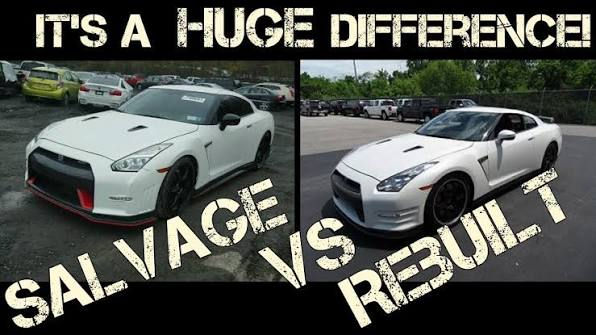
If you've been researching imported used cars, you've likely come across two terms that sound similar but mean very different things: salvage title and rebuilt title.
Many buyers assume they're the same thing, but they represent different stages in a vehicle's history.
Understanding the difference can help you ask the right questions, interpret vehicle history reports more accurately, and make a better-informed buying decision.
What Is a Salvage Title?
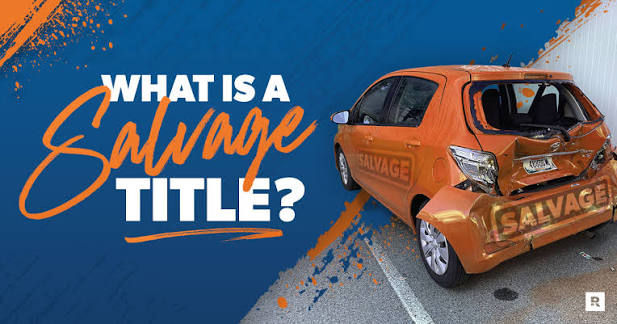
A salvage title is assigned to a vehicle that has been declared a total loss by an insurance company.
This usually happens because repairing the vehicle would cost more than, or close to, its insured value, depending on the laws and insurance rules where the vehicle was registered.
A salvage title tells you that the vehicle experienced significant damage or loss at some point in its history.
In many places, a vehicle with a salvage title cannot legally be driven on public roads until it has been repaired and approved for use.
What Is a Rebuilt Title?
A rebuilt title (sometimes called a rebuilt salvage title or reconstructed title, depending on the jurisdiction) is generally issued after a salvage vehicle has been repaired and, where required, passed inspections that allow it to return to the road.
A rebuilt title does not erase the vehicle's past.
Instead, it indicates that the vehicle was previously salvaged but has since been repaired and reclassified under the applicable local rules.
The exact terminology and process vary by country and region.
Salvage Title vs Rebuilt Title
Salvage Title | Rebuilt Title |
Vehicle declared a total loss | Previously salvaged vehicle that has been repaired |
May not be road legal until repaired (depending on local laws) | Generally eligible for road use after meeting applicable requirements |
Indicates major past damage | Indicates major past damage plus subsequent repairs |
Often sold for repair or parts | Often sold as a drivable vehicle |
Does a Rebuilt Title Mean the Car Is Safe?
Not automatically.
A rebuilt title only tells part of the story.
The quality of the repairs depends on:
Who performed the repairs
Which parts were used
Whether structural damage was repaired correctly
How well the vehicle has been maintained since
Some rebuilt vehicles perform well for years, while others may develop ongoing issues if repairs were not completed properly.
What Should Buyers Inspect?
Whether a vehicle has a clean title or a rebuilt title, inspect it carefully.
Pay particular attention to:
Chassis alignment
Welding quality
Paint consistency
Airbag operation
Suspension
Engine
Transmission
Electrical systems
Vehicle Identification Number (VIN)
A professional inspection can provide valuable peace of mind.
Are Rebuilt Cars Cheaper?
In many cases, yes.
Because of their history, rebuilt vehicles are often priced below comparable clean-title vehicles.
For some buyers, this can represent good value.
However, the purchase price should never be the only factor influencing your decision.
A lower upfront cost should always be balanced against the vehicle's condition, repair quality, and long-term reliability.
Should You Avoid Rebuilt Vehicles?
Not necessarily.
There is no single answer that applies to every rebuilt vehicle.
The better approach is to evaluate each vehicle individually.
Ask questions, request documentation, inspect the repairs, and seek professional advice when needed.
The goal is to understand the vehicle's history rather than making assumptions based on the title alone.
Santonis Insight
Every used vehicle has a story.
The key is understanding that story before you buy.
Whether a vehicle has a clean title, salvage history, or rebuilt title, careful inspection and complete documentation are essential to making an informed decision.
Final Thoughts
A salvage title and a rebuilt title are not the same.
A salvage title indicates that the vehicle was previously declared a total loss, while a rebuilt title generally indicates that it has since been repaired and returned to service under the rules that apply in that jurisdiction.
Neither title automatically tells you whether the vehicle is a good or bad purchase.
What matters most is the quality of the repairs, the vehicle's current condition, and the information available to support its history.
Taking time to investigate before buying can save you significant expense and stress later.
Looking for a Vehicle with Confidence?
Whether you're interested in a clean-title vehicle or want guidance on evaluating imported vehicles, Santonis can help you source options that match your budget and requirements.
Start your search today through our Find My Car platform:
Tell us the vehicle you're looking for, and we'll help you find suitable options while encouraging informed buying decisions.
Comments