
Why Is My Car Overheating? Causes, Warning Signs, and What to Do

Your car's engine works incredibly hard every time you drive.
As it burns fuel and generates power, it also produces an enormous amount of heat. That's why every vehicle has a cooling system—to keep the engine operating within a safe temperature range.
When that cooling system fails, the engine can overheat.
An overheating engine is not something you should ignore. If left unchecked, it can lead to severe engine damage and expensive repairs.
The good news is that most overheating problems give warning signs before they become catastrophic.
Here's what every car owner should know.
What Does It Mean When a Car Overheats?
An engine overheats when its temperature rises beyond the normal operating range.
Modern cars usually alert the driver by:
A rising temperature gauge
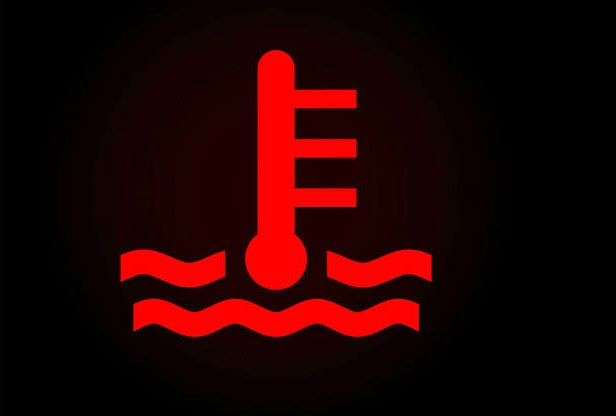
A dashboard temperature warning light
Steam coming from under the hood
A warning message on the instrument cluster
If you notice any of these signs, your engine is telling you that it needs immediate attention.
1. Low Coolant Level
One of the most common causes of overheating is insufficient coolant.
Coolant (also called antifreeze) absorbs heat from the engine and carries it to the radiator, where it is released.
If coolant is low due to a leak or poor maintenance, the engine cannot cool itself properly.
Possible causes include:
Coolant leaks
Cracked hoses
Loose hose clamps
A leaking radiator
A damaged coolant reservoir
2. Radiator Problems
The radiator is responsible for removing heat from the coolant.
If it becomes clogged, damaged, or blocked by dirt and debris, airflow is reduced and cooling efficiency drops.
A damaged radiator may also leak coolant, making the problem even worse.
3. Faulty Thermostat
The thermostat controls when coolant flows through the engine.
If it gets stuck closed, coolant cannot circulate properly.
As a result, heat builds up rapidly inside the engine.
A faulty thermostat is a relatively common cause of overheating.
4. Water Pump Failure
The water pump keeps coolant moving throughout the cooling system.
If it fails, coolant circulation stops.
Without circulation, heat remains trapped inside the engine.
Warning signs may include:
Coolant leaks near the pump
Grinding noises
Engine overheating shortly after starting
5. Cooling Fan Problems
When driving slowly or sitting in traffic, your car relies on cooling fans to pull air through the radiator.
If the fan stops working because of:
A blown fuse
Faulty motor
Broken relay
Electrical problems
the engine temperature can rise quickly, especially in hot weather.
6. Broken or Worn Drive Belt
On many vehicles, the water pump is driven by a belt.
If that belt snaps or slips, the pump may stop circulating coolant.
This can lead to rapid overheating.
7. Blocked Cooling Passages
Over time, rust, corrosion, or old coolant can clog parts of the cooling system.
Restricted coolant flow reduces the engine's ability to release heat efficiently.
Regular coolant replacement helps reduce this risk.
Warning Signs Before Serious Damage Occurs
Pay attention if you notice:
Temperature gauge rising above normal
Steam from under the hood
Sweet smell of coolant
Coolant leaking beneath the vehicle
Reduced heater performance
Dashboard temperature warning light
These signs should never be ignored.
What Should You Do If Your Car Overheats?
If your engine begins overheating while driving:
Step 1: Turn Off the Air Conditioner
The air conditioner adds extra load to the engine.
Switching it off may slightly reduce engine stress.
Step 2: Turn On the Heater
This sounds strange, but turning the heater on can help draw heat away from the engine.
It may make the cabin uncomfortable, but it can help lower engine temperature while you look for a safe place to stop.
Step 3: Pull Over Safely
Do not continue driving if the temperature continues rising.
Stop in a safe location and switch off the engine.
Step 4: Let the Engine Cool
Never remove the radiator cap immediately after stopping.
The cooling system is under pressure.
Opening the cap while the engine is hot can release scalding coolant and steam, causing serious burns.
Wait until the engine has cooled before checking coolant levels.
Step 5: Arrange for Inspection
Even if the engine appears normal after cooling down, determine why it overheated before continuing long journeys.
Repeated overheating can shorten engine life.
Can an Overheating Engine Cause Permanent Damage?
Yes.
If ignored, overheating can damage:
Head gasket
Cylinder head
Pistons
Engine block
Bearings
Repair costs increase dramatically the longer the engine continues running while overheated.
Stopping early often prevents much more serious damage.
How to Prevent Overheating
Simple maintenance goes a long way.
You can reduce the risk by:
Checking coolant levels regularly
Replacing coolant according to your manufacturer's schedule
Inspecting hoses for leaks or cracks
Watching the temperature gauge while driving
Servicing the cooling system when recommended
Preventive maintenance is almost always cheaper than repairing an overheated engine.
Santonis Insight
Many engine failures don't happen suddenly.
They begin with small cooling system problems that drivers overlook.
A tiny coolant leak today can become a major engine repair tomorrow.
Pay attention to your temperature gauge. It exists for a reason.
Catching overheating early is one of the easiest ways to extend your engine's lifespan and avoid unnecessary repair bills.
Final Thoughts
An overheating engine is one of the most serious warning signs a vehicle can give.
Fortunately, it rarely happens without warning.
By recognizing the early symptoms, stopping safely, and addressing the root cause promptly, you can often prevent severe engine damage.
When it comes to overheating, acting quickly is always better than hoping the problem will go away.
Your engine—and your wallet—will thank you.
Keep Learning With Santonis
Owning a car doesn't have to be complicated. At Santonis Car Catalog, we help drivers understand their vehicles through practical guides, maintenance tips, and expert buying advice so you can drive with greater confidence.


Comments