
How to Tell If a Car Has Been in an Accident Before You Buy It

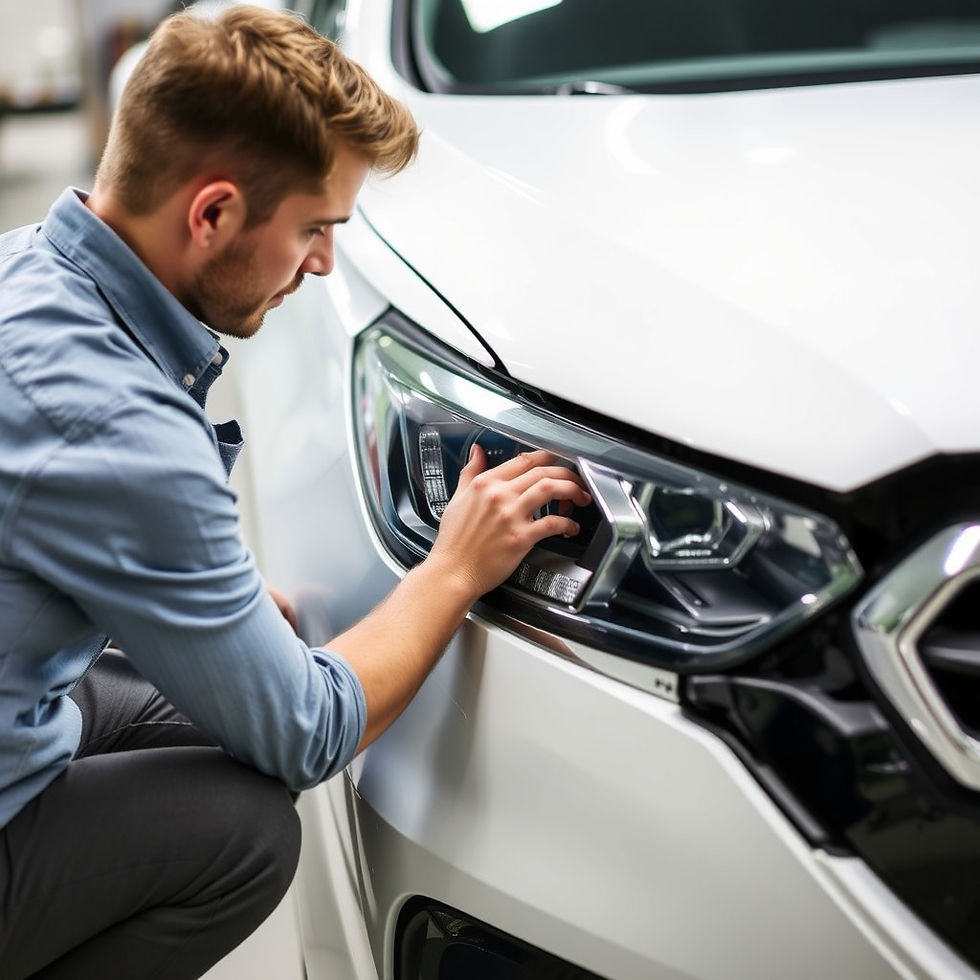
Buying a used car can save you a significant amount of money.
But it also comes with one important responsibility:
Making sure the vehicle hasn't suffered serious accident damage that could affect its safety, reliability, or value.
Not every accident is a deal-breaker.
A professionally repaired bumper after a minor collision is very different from a vehicle that has suffered major structural damage.
The challenge is knowing the difference.
Here are some practical ways to identify signs that a used car may have been involved in an accident.
1. Look for Uneven Paint
Walk around the vehicle slowly.
Look at each panel from different angles and under good lighting.
Watch for:
Slightly different paint shades
Overspray on rubber trims or windows
Paint runs
Rough paint texture
Panels that look newer than the rest of the car
These can indicate that part of the vehicle has been repainted after repairs.
2. Check the Gaps Between Body Panels
Factory-built cars have consistent panel gaps.
Inspect the spaces between:
The bonnet and fenders
Front doors and rear doors
Boot lid and rear quarter panels
If one gap is noticeably wider or narrower than another, it may suggest previous repairs or poor panel alignment after an accident.
3. Inspect the Bolts Around the Bonnet and Doors
Open the bonnet and examine the bolts holding the fenders and bonnet hinges.
Look for:
Scratched paint around bolts
Tool marks
Missing paint
Fresh bolts among older ones
These signs may indicate that body panels have been removed or replaced.
4. Examine the Chassis and Frame
The chassis is the vehicle's structural foundation.
Look underneath the car for:
Bent metal
Fresh welding
Cracks
Heavy rust around repaired areas
Uneven underbody repairs
Major frame damage can affect safety and handling.
If you're unsure, have the vehicle inspected by a trusted mechanic.
5. Check the Headlights and Taillights
Look closely at the lights.
Ask yourself:
Are they the same brand?
Do both appear equally aged?
Does one look much newer?
Replacing a damaged light isn't unusual, but a combination of new lights and other repair signs deserves closer attention.
6. Look at the Windshield
Check whether all the vehicle's windows carry the same manufacturer's markings and production dates.
A recently replaced windshield isn't automatically a concern, but it may indicate previous front-end damage.
Consider it together with other observations.
7. Inspect the Tires
Uneven tire wear can suggest:
Poor wheel alignment
Suspension damage
Previous accident repairs
If one tire wears much faster than the others, ask why.
8. Test Drive the Car
During the test drive, notice whether the vehicle:
Pulls to one side
Vibrates excessively
Produces unusual suspension noises
Feels unstable
Has an off-centre steering wheel while driving straight
These issues may result from many causes, but accident damage is one possibility.
9. Check the Airbags
Look for warning lights that remain illuminated after starting the vehicle.
Also inspect:
Steering wheel
Dashboard
Side pillars
Uneven gaps, mismatched materials, or signs of tampering could indicate previous airbag deployment and replacement.
10. Ask Direct Questions
Don't be afraid to ask the seller:
Has the car ever been involved in an accident?
Which parts have been replaced?
Are repair records available?
Can the vehicle be inspected independently?
An honest seller should be willing to answer these questions.
Does Every Accident Mean You Should Walk Away?
No.
Many vehicles experience minor accidents during their lifetime.
A properly repaired bumper or replaced fender doesn't necessarily make a car a bad purchase.
The real concern is:
Structural damage
Poor-quality repairs
Hidden safety issues
Always evaluate the severity—not just the fact that an accident occurred.
Why a Professional Inspection Is Worth It
Even experienced buyers can miss hidden problems.
Before making a significant purchase, consider having the vehicle inspected by an independent mechanic.
A small inspection fee today could save you from expensive repairs tomorrow.
Santonis Insight
A clean-looking car isn't always an accident-free car.
Likewise, a vehicle with evidence of a professionally repaired minor collision isn't automatically a bad buy.
The goal isn't to find a perfect used car.
The goal is to understand exactly what you're buying.
Knowledge gives you confidence—and negotiating power.
Final Thoughts
Accident history is one of the most important factors to consider when buying a used car.
By carefully inspecting the body, paint, chassis, tires, and driving behaviour, you can identify many warning signs before making a purchase.
Take your time, ask questions, and don't hesitate to seek professional advice.
A thorough inspection today can help you avoid costly surprises after the sale.
Buy Smarter With Santonis
At Santonis Car Catalog, we help buyers make informed decisions through practical guides, vehicle knowledge, and a growing marketplace of quality cars from trusted dealers.


Comments