
10 Red Flags You Should Never Ignore When Buying a Used Car


Buying a used car can save you a lot of money, but it can also become one of the most expensive mistakes you'll ever make if you ignore the warning signs.
Some problems are easy to spot. Others are hidden beneath fresh paint, polished interiors, or convincing sales pitches.
Knowing what to look for before you hand over your money can save you from costly repairs, legal issues, and endless frustration.
Here are ten red flags every car buyer should watch out for.
🚩 1. The Price Seems Too Good to Be True
You've found a car that's significantly cheaper than every other similar listing.
Ask yourself:
Why?
While genuine bargains do exist, an unusually low price can sometimes indicate:
Hidden mechanical problems
Accident history
Flood damage
Incomplete documentation
A scam
Compare prices for similar models before assuming you've found the deal of a lifetime.
🚩 2. The Seller Doesn't Want You to Inspect the Car
A trustworthy seller should have no problem with you inspecting the vehicle or bringing a qualified mechanic.
Be cautious if you hear statements like:
"You don't need a mechanic."
"Just trust me."
"Someone else is buying it today."
"Let's finish the payment first."
If a seller discourages inspection, ask yourself what they may be trying to hide.
🚩 3. The Vehicle Documents Don't Match
Always compare the vehicle with its documents.
Check that the:
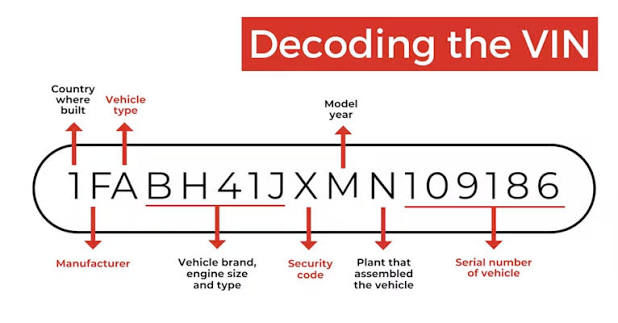
Vehicle Identification Number (VIN)
Chassis number
Engine number
Registration details
all match.
Any inconsistency should be resolved before you make payment.
🚩 4. Fresh Paint in Only One Area
A freshly painted car isn't automatically a bad car.
However, if only one door, one fender, or one section has noticeably different paint, it could indicate previous repairs.
Look for:
Different paint shades
Overspray on trims
Uneven panel gaps
Good repairs are common. Poor repairs should raise questions.
🚩 5. Warning Lights That Stay On
Modern vehicles monitor many systems through the dashboard.
If warning lights remain illuminated after the engine starts, don't ignore them.
Examples include:
Check Engine light
ABS warning
Airbag warning
Battery warning
Oil pressure warning
These lights exist for a reason.
🚩 6. Strange Engine Sounds
An engine should generally run smoothly.
Listen carefully for:
Knocking
Ticking
Grinding
Excessive vibration
Loud rattling
Some noises are minor.
Others can signal expensive engine repairs.
If you're unsure, have a trusted mechanic inspect the vehicle.
🚩 7. Smoke From the Exhaust
Different exhaust smoke colours can indicate different problems.
Blue smoke may suggest the engine is burning oil.
Thick white smoke that continues after warm-up may point to coolant entering the engine.
Black smoke can indicate an overly rich fuel mixture or other engine issues.
A brief puff on a cold start can be normal on some vehicles, but continuous smoke deserves attention.
🚩 8. Uneven Tire Wear
Tires tell a story.
If one side is worn much more than the other, the vehicle may have:
Poor wheel alignment
Suspension damage
Steering issues
Accident-related problems
Replacing tires is one cost.
Fixing the underlying issue can be much more expensive.
🚩 9. Signs of Water Damage
Flood-damaged vehicles can develop electrical and mechanical problems long after they appear clean.
Look for:
Rust under seats
Damp carpets
Mud in hard-to-reach areas
Water stains
Musty smells
Water damage is not always obvious, so inspect carefully.
🚩 10. The Seller Rushes You
Pressure is one of the oldest sales tactics.
Be careful if you're constantly hearing:
"Pay now."
"Another buyer is already on the way."
"The price expires today."
"Don't overthink it."
A good car today should still be a good car tomorrow.
Take your time to inspect and verify before making any payment.
Green Flags You Want to See
Not every inspection should focus only on problems.
Positive signs include:
✅ Complete documentation
✅ Consistent service history
✅ Matching VIN numbers
✅ Smooth engine operation
✅ Honest answers from the seller
✅ A willingness to allow inspection and a test drive
These signs don't guarantee a perfect car, but they often indicate a more transparent buying process.
Santonis Insight
The biggest mistake many buyers make is falling in love with a car before checking whether it deserves their trust.
Excitement can make people overlook warning signs they would normally notice.
A smart buyer stays curious, asks questions, and never feels pressured into making a decision.
Remember: walking away from a bad deal is often cheaper than fixing one.
Final Thoughts
Every used car has a history.
Your job as a buyer is to uncover as much of that history as possible before making a commitment.
Pay attention to the documents, inspect the vehicle carefully, listen during the test drive, and never ignore warning signs just because the price looks attractive.
The right used car will still stand up to careful inspection.
The wrong one usually hopes you won't inspect it at all.
Looking for a Used Car?
At Santonis Car Catalog, you can browse vehicles from multiple dealers, compare options, and ask informed questions before making your decision. The more you know, the more confidently you can buy.
Comments