
What Is an Odometer Rollback? How to Spot Mileage Fraud Before Buying a Used Car

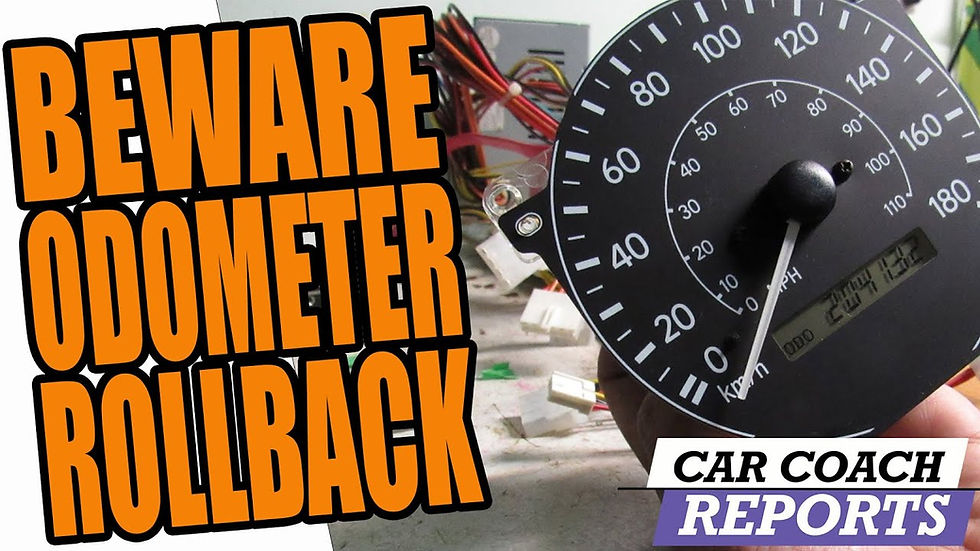
When buying a used car, one of the first things many buyers check is the mileage.
A vehicle with lower mileage is often assumed to be in better condition and may command a higher price.
Unfortunately, not every odometer tells the full story.
In some cases, a vehicle's mileage may have been illegally altered to make it appear that the car has travelled fewer kilometres or miles than it actually has. This practice is known as an odometer rollback or odometer fraud.
Understanding how mileage fraud works—and how to identify warning signs—can help you make a smarter buying decision.
What Is an Odometer Rollback?
An odometer rollback occurs when the recorded mileage of a vehicle is intentionally reduced to make the vehicle appear less used than it really is.
Because buyers often associate lower mileage with less wear and tear, a rolled-back odometer can artificially increase a vehicle's perceived value.
In many countries, deliberately altering an odometer to deceive buyers is illegal.
Why Does Mileage Matter?
Mileage provides an indication of how much a vehicle has been driven.
While mileage alone does not determine a vehicle's condition, it often influences:
Vehicle value
Maintenance schedules
Expected component wear
Resale price
Buyer confidence
A well-maintained high-mileage vehicle may be a better purchase than a neglected low-mileage one, but accurate mileage remains important.
How Does Odometer Fraud Happen?
Modern vehicles use digital odometers, while older models may have mechanical odometers.
Fraud can occur by manipulating either type, although the methods differ.
The goal is the same: display a lower mileage than the vehicle has actually travelled.
Warning Signs of an Odometer Rollback
Excessive Wear for the Displayed Mileage
If a vehicle claims very low mileage but shows:
Worn steering wheel
Heavily worn pedals
Damaged driver's seat
Shiny or worn gear selector
Faded interior controls
…the condition may not match the displayed mileage.
Inconsistent Service Records
Maintenance records often include mileage readings.
Compare service invoices and maintenance history to ensure the mileage increases consistently over time.
Unexpected decreases or inconsistencies deserve further investigation.
Vehicle History Reports
Where available, vehicle history reports may contain mileage records from previous inspections, registrations, or maintenance visits.
Comparing these records can help identify inconsistencies.
Recently Replaced Instrument Cluster
A replacement instrument cluster is not automatically suspicious, but buyers should ask why it was changed and request supporting documentation.
Can High Mileage Still Be a Good Buy?
Absolutely.
Mileage is only one part of the buying process.
Also consider:
Maintenance history
Driving habits of previous owners
Engine condition
Transmission performance
Suspension
Overall care
A properly maintained vehicle with higher mileage may outperform a poorly maintained vehicle with much lower mileage.
How Can You Protect Yourself?
Before buying a used vehicle:
Compare the vehicle's condition with the displayed mileage.
Review available service records.
Check vehicle history reports where possible.
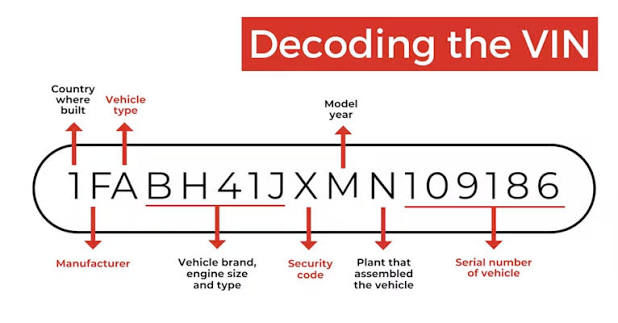
Verify the Vehicle Identification Number (VIN).
Arrange a professional inspection.
Ask questions if anything seems inconsistent.
The more information you gather, the more confident your decision can be.
Santonis Insight
Mileage is important—but context matters even more.
Instead of focusing only on the number displayed on the dashboard, evaluate the complete condition of the vehicle and review any available documentation.
An informed buyer is much less likely to become a victim of mileage fraud.
Final Thoughts
An odometer rollback can make a vehicle appear newer and more valuable than it really is.
While mileage is an important factor, it should never be viewed in isolation.
Careful inspection, documentation, and professional advice remain the best tools for protecting yourself when buying a used vehicle.
Taking a little extra time before buying can save you significant money and frustration later.
Looking for a Vehicle with Confidence?
At Santonis, we believe buying a car should be based on transparency and informed decision-making.
If you're searching for a specific vehicle, our Find My Car platform can help you begin the process.
Tell us your preferred make, model, budget, and requirements, and we'll help you source suitable options.

Comments