
What Do Dashboard Warning Lights Mean? A Complete Guide Every Driver Should Know


You start your car, the engine comes to life, and suddenly you notice several symbols appearing on your dashboard.
Some disappear after a few seconds.
Others remain illuminated.
For many drivers, these lights are confusing. Some ignore them completely, while others immediately assume the worst.
However, dashboard warning lights exist for an important reason: they are your vehicle's way of communicating that something needs attention.
Understanding what these symbols mean can help you respond quickly, prevent expensive repairs, and keep yourself safer on the road.
Here are some of the most common dashboard warning lights every driver should know.
1. Check Engine Light
Symbol: Engine-shaped icon
The Check Engine Light is one of the most misunderstood warning lights.
It does not always mean your engine is about to fail.
It indicates that the vehicle's computer has detected a problem somewhere within the engine or emissions system.
Possible causes include:
Loose fuel cap
Faulty oxygen sensor
Spark plug problems
Engine misfire
Fuel system issues
What should you do?
If the light is steady:
Continue driving carefully.
Schedule a diagnosis.
If the light is flashing:
Reduce speed.
Avoid heavy acceleration.
Have the vehicle inspected as soon as possible.
A flashing Check Engine Light can indicate a serious problem that may cause further damage.

2. Oil Pressure Warning Light
Symbol: Oil can icon
Engine oil protects the moving parts inside your engine.
The oil pressure warning light means your engine may not be receiving enough oil pressure.
Possible causes include:
Low oil level
Oil leak
Faulty oil pump
Internal engine problems
What should you do?
Do not ignore this warning.
Low oil pressure can cause severe engine damage.
Safely stop the vehicle, switch off the engine, and check the oil level if possible.
If the problem continues, seek professional assistance.

3. Battery Warning Light
Symbol: Battery icon
Many people assume this light means the battery itself is failing.
While that can happen, the issue may also involve the charging system.
Possible causes include:
Faulty alternator
Damaged battery cables
Weak battery
Electrical system problems
If this light appears while driving, your vehicle may eventually lose electrical power and stop running.

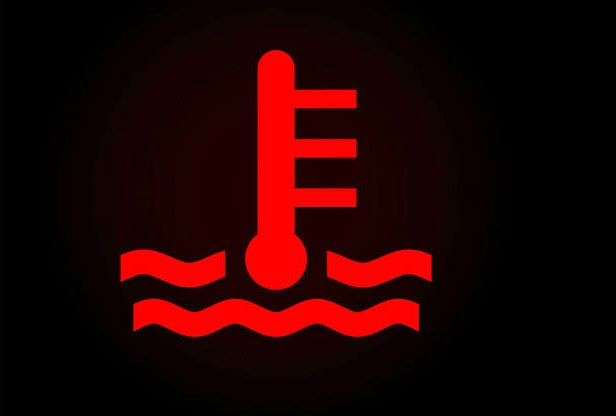
4. Engine Temperature Warning Light
Symbol: Thermometer over waves
This warning indicates that your engine may be overheating.
Possible causes include:
Low coolant
Radiator problems
Faulty thermostat
Cooling fan failure
Water pump problems
What should you do?
Do not continue driving if the temperature is rising.
Overheating can cause serious engine damage, including head gasket failure.
Pull over safely and allow the engine to cool before checking anything.
5. Brake Warning Light
Symbol: Circle with an exclamation mark or brake symbol
Your braking system is one of the most important safety systems in your vehicle.
This warning may indicate:
Low brake fluid
Worn brake pads
Parking brake engaged
Brake system fault
If the brake pedal feels different or braking performance reduces, address the issue immediately.

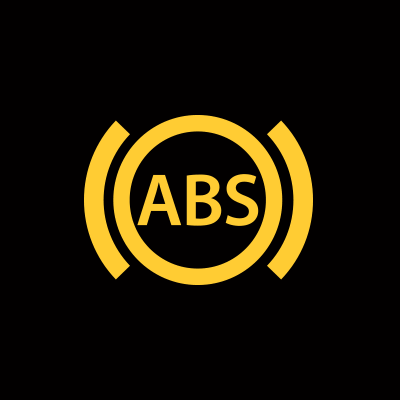
6. ABS Warning Light
Symbol: ABS inside a circle
The Anti-lock Braking System (ABS) helps prevent wheels from locking during emergency braking.
If the ABS warning light appears:
Your normal brakes may still work.
However, the anti-lock function may not operate correctly.
Possible causes include:
Faulty wheel sensors
ABS module problems
Electrical faults
Have the system checked, especially if you regularly drive in conditions where emergency braking may be required.
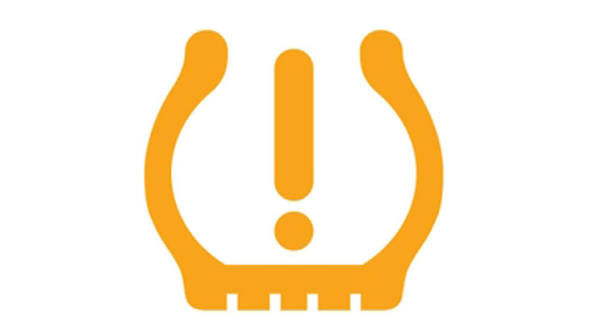
7. Tire Pressure Warning Light
Symbol: Tire shape with an exclamation mark
Many modern vehicles monitor tire pressure electronically.
This warning usually means one or more tires have incorrect pressure.
Possible causes:
Tire puncture
Natural air loss
Temperature changes
Damaged tire
Incorrect tire pressure can affect:
Fuel economy
Handling
Tire lifespan
Safety
Check your tires as soon as possible.
8. Airbag Warning Light
Symbol: Person sitting with a circle
The airbag system is designed to protect occupants during a collision.
If this light stays on, there may be a fault with:
Airbags
Sensors
Seat belt systems
Airbag control module
The airbags may not deploy correctly during an accident.
This warning should not be ignored.

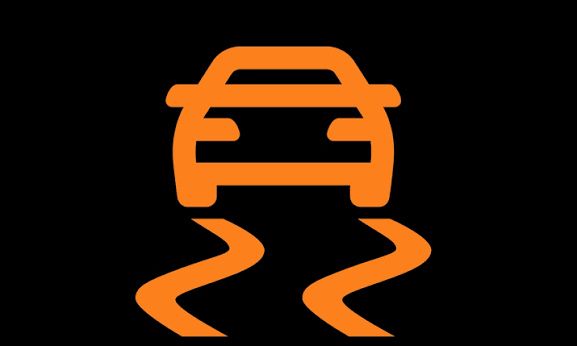
9. Traction Control Warning Light
Symbol: Vehicle with skid marks
Traction control helps prevent wheel slip during acceleration.
If the light appears, it may indicate:
The system has been turned off
Wheel sensor problems
Traction control system faults
A flashing traction control light may simply mean the system is actively working.
A constantly illuminated light requires investigation.
10. Low Fuel Warning Light
Symbol: Fuel pump icon
This is one warning light most drivers recognize.
It means your fuel level is low.
While it may seem harmless, regularly driving with very little fuel can sometimes put extra strain on the fuel system.
It is better practice to refill before reaching extremely low levels.

Are All Warning Lights Equally Serious?
No.
Dashboard warnings generally fall into different categories.
Green or Blue Lights
Usually informational.
Examples:
Headlights
Indicators
Cruise control
These usually don't indicate a problem.
Yellow or Orange Lights
Usually mean caution.
Examples:
Check Engine Light
ABS warning
Tire pressure warning
The vehicle may still operate, but inspection may be needed.
Red Lights
Usually require immediate attention.
Examples:
Oil pressure warning
Engine overheating
Brake warning
Red warnings often indicate problems that could affect safety or cause major damage.
Why You Should Never Cover Warning Lights
Some drivers ignore warning lights because the car still appears to drive normally.
Others attempt temporary solutions to hide the warning.
This is dangerous.
A vehicle can continue operating while developing a serious problem.
The earlier an issue is identified, the easier and cheaper it usually is to fix.
How To Reduce Dashboard Warning Problems
Regular maintenance helps prevent many warning lights from appearing.
Good habits include:
Checking fluids regularly
Maintaining correct tire pressure
Servicing the vehicle on schedule
Addressing unusual noises early
Using quality replacement parts
Responding quickly when warning lights appear
Santonis Insight
Your dashboard is not there to scare you.
It is one of your vehicle's most important communication systems.
A warning light is not always a disaster—it is often an early opportunity to prevent one.
The best car owners are not those who never experience problems.
They are the ones who notice problems early and take action.
Final Thoughts
Dashboard warning lights are your vehicle's early warning system.
Understanding what they mean allows you to make better decisions, avoid unnecessary breakdowns, and protect your investment.
Do not ignore the symbols your car shows you.
Sometimes a small warning today prevents a major repair tomorrow.
Learn More With Santonis
From buying your next vehicle to understanding how to maintain the one you own, Santonis Car Catalog provides practical automotive knowledge to help drivers make smarter decisions throughout their ownership journey.
Comments