
10 Common Car Buying Mistakes (And How to Avoid Them)


Buying a car is one of the biggest financial decisions many people make. Whether you're purchasing your first vehicle or replacing your current one, it's easy to get caught up in the excitement and overlook important details.
The result?
Many buyers end up spending more than they planned, choosing the wrong vehicle, or facing unexpected repairs shortly after purchase.
The good news is that most of these mistakes are completely avoidable.
Here are ten of the most common car buying mistakes—and how you can avoid them.
1. Buying With Your Heart Instead of Your Head
It's easy to fall in love with a car because of its appearance, brand, or reputation.
But before making a decision, ask yourself:
Does it suit my daily needs?
Can I comfortably afford to maintain it?
Is it practical for my lifestyle?
A beautiful car that doesn't fit your needs can quickly become an expensive regret.
2. Focusing Only on the Purchase Price
Many buyers concentrate on the price they pay today without considering what the car will cost tomorrow.
Remember to factor in:
Fuel consumption
Insurance
Routine servicing
Spare parts
Tires
Registration fees
The true cost of ownership is much more than the price on the windshield.
3. Skipping a Proper Inspection
Never assume a car is in excellent condition simply because it looks clean.
A shiny exterior can hide expensive mechanical problems.
Whenever possible, inspect the vehicle carefully or have a trusted mechanic examine it before committing to the purchase.
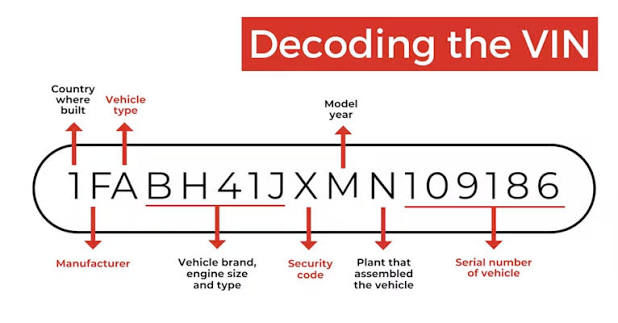
4. Not Checking the Vehicle's History
A vehicle may have been involved in serious accidents, suffered flood damage, or received poor maintenance.
Understanding its history helps you make a more informed decision.
If reliable history records aren't available, pay extra attention during the inspection process.
5. Ignoring Maintenance Records
A car that has been serviced regularly is often a safer investment than one with no documented maintenance history.
Service records show that previous owners cared for the vehicle and followed recommended maintenance schedules.
6. Choosing the Wrong Vehicle for Your Lifestyle
A sports car may look exciting, but it might not be practical for a growing family.
Likewise, buying a large SUV when you mainly drive alone in the city could mean spending more on fuel and maintenance than necessary.
Choose the vehicle that fits your daily life—not just your dreams.
7. Rushing the Decision
Some buyers feel pressured to make a quick purchase because they're worried someone else will buy the car first.
Unless it's truly an exceptional opportunity, take the time to:
Compare similar vehicles
Ask questions
Inspect carefully
Think through your decision
A little patience can save you from years of regret.
8. Forgetting to Test Drive
A car can look perfect on paper but feel completely different once you're behind the wheel.
During a test drive, pay attention to:
Steering response
Braking performance
Engine noise
Transmission operation
Suspension comfort
Visibility
The test drive is your opportunity to experience the vehicle before committing.
9. Paying More Than the Car Is Worth
Before agreeing to a price, compare similar vehicles with:
The same model
Similar year
Comparable mileage
Similar condition
Doing a little research helps you recognize a fair price and negotiate with confidence.
10. Buying From the Wrong Source
Where you buy your car matters.
Choose sellers who are transparent, willing to answer questions, and provide clear information about the vehicle.
A trustworthy seller makes the buying process smoother and gives you greater confidence in your purchase.
A Simple Checklist Before Buying Any Car
Before making your final decision, ask yourself:
✅ Does this car fit my needs?
✅ Have I inspected it properly?
✅ Have I compared prices?
✅ Can I comfortably afford the running costs?
✅ Am I buying from a trustworthy seller?
If you can confidently answer "yes" to these questions, you're already avoiding many of the mistakes that catch other buyers off guard.
Santonis Insight
The best car purchase isn't always the newest, fastest, or most expensive vehicle.
It's the one that meets your needs, fits your budget, and continues to serve you well long after the excitement of buying it has passed.
Smart buyers don't simply ask, "Do I like this car?"
They also ask, "Will I still be happy with this car two years from now?"
That question alone can prevent many costly mistakes.
Final Thoughts
Buying a car should never feel like a race.
Take your time, do your research, inspect carefully, and think beyond the purchase price.
A little preparation today can save you thousands in repairs, maintenance, and unexpected problems in the future.
The smartest car buyers aren't necessarily the ones who spend the most money—they're the ones who make informed decisions.
Looking for Your Next Car?
Whether you're buying your first car or upgrading to something new, Santonis Car Catalog helps you compare vehicles from multiple dealers, making it easier to find a car that fits your needs and budget with confidence.
Comments