
How to Inspect a Used Car Before Buying: A Complete Checklist


Buying a used car can be one of the smartest financial decisions you make.
You can get a reliable vehicle at a much lower price compared to buying new, and you often have access to higher specifications and better-equipped models.
However, buying used also comes with one major challenge:
You need to know what you are buying.
A vehicle may look perfect from the outside while hiding expensive mechanical problems underneath.
That is why a proper inspection is one of the most important steps before purchasing any used car.
Here is a complete checklist of what to inspect before making your decision.
1. Check the Exterior Condition
The exterior is the first thing most buyers notice, but it tells you more than just how attractive the vehicle looks.
Look for:
Uneven paint colours
Different shades between body panels
Overspray on rubber parts or trims
Poor panel alignment
Dents or scratches
Signs of rust
Different paint shades or uneven gaps between panels may indicate previous accident repairs.
A repaired vehicle is not automatically a bad purchase, but you should understand what happened and how well the repair was done.
2. Inspect the Tires
Tires can reveal a lot about the vehicle.
Check:
Tire brand and quality
Uneven wear patterns
Tire cracks
Tread depth
Whether all four tires match
Uneven tire wear may indicate issues with:
Wheel alignment
Suspension components
Steering system
Remember that replacing a full set of tires can be a significant expense, so factor this into your decision.
3. Check Under the Hood
The engine bay does not need to look brand new, but it should show signs of reasonable care.
Look for:
Oil leaks
Damaged hoses
Corroded battery terminals
Low fluid levels
Unusual smells
Excessive dirt or oil buildup
A clean engine bay is not always proof of good maintenance, but obvious neglect should raise questions.
4. Inspect the Engine Condition
The engine is one of the most important parts of the vehicle.
During inspection, check:
Does it start easily?
Does it produce unusual sounds?
Is there excessive smoke?
Does it idle smoothly?
Are there warning lights?
A test drive and professional inspection can reveal issues that are not obvious while the vehicle is parked.
5. Check the Transmission
Transmission repairs can be expensive.
During a test drive, pay attention to:
Smooth gear changes
Delayed engagement
Jerking movements
Strange noises
Slipping between gears
For automatic vehicles, shifting should generally feel smooth and predictable.
For manual vehicles, check:
Clutch engagement
Gear selection
Unusual grinding sounds
6. Test the Brakes
Brakes are a major safety component.
Check for:
Squealing noises
Vibrations while braking
Soft brake pedal
Pulling to one side
A vehicle that does not brake properly should never be ignored.
7. Examine the Suspension
Suspension affects comfort, handling, and safety.
During driving, listen for:
Knocking sounds
Excessive bouncing
Uneven ride height
Poor handling
A mechanic can inspect components such as:
Shock absorbers
Bushings
Control arms
Ball joints
8. Test the Electronics
Modern vehicles rely heavily on electrical systems.
Check:
Headlights
Indicators
Interior lights
Power windows
Central locking
Cameras
Sensors
Infotainment system
Air conditioning
Small electrical faults can sometimes become expensive repairs.
9. Check the Interior Condition
The interior can reveal how the vehicle was treated.
Inspect:
Seat condition
Steering wheel wear
Dashboard condition
Odours
Water stains
Damaged controls
Excessive wear compared to the vehicle's stated mileage may require further investigation.
10. Verify the Vehicle History
Before buying, try to understand the vehicle's background.
Important information includes:
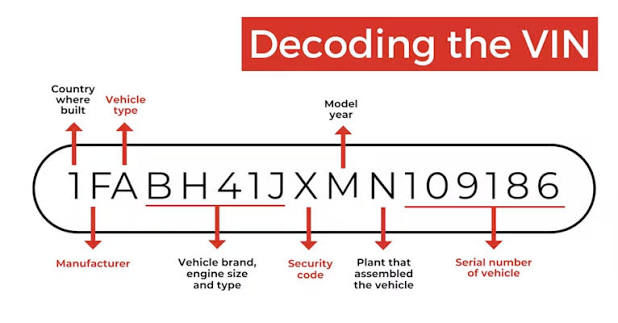
Previous ownership
Accident history
Maintenance records
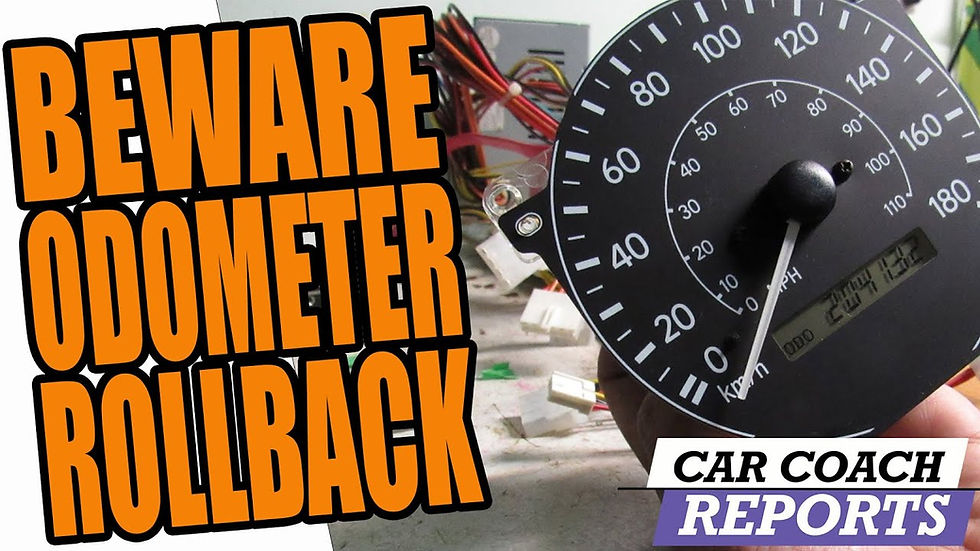
Mileage history
Import history where applicable
A vehicle's past can affect its future reliability.
11. Take a Proper Test Drive
Never buy a used car without driving it.
During your test drive, pay attention to:
Acceleration
Steering response
Braking
Engine performance
Transmission behaviour
Comfort
Noise levels
Try driving in different conditions if possible.
A short drive around a parking lot may not reveal important issues.
12. Get a Professional Inspection
Even if you understand cars, a professional inspection is still valuable.
A mechanic can identify problems that an average buyer may miss.
The cost of inspection is usually small compared to the cost of buying a vehicle with hidden problems.
Common Warning Signs When Buying Used
Be careful if:
The seller refuses inspection
The price is unusually low
The seller rushes the decision
Documents are unclear
The vehicle history cannot be explained
The mileage seems suspicious
A trustworthy seller should be comfortable providing information about the vehicle.
Santonis Insight
The biggest mistake used-car buyers make is falling in love with the appearance of a vehicle before understanding its condition.
A beautiful exterior does not guarantee a reliable car.
Smart buyers inspect first and become emotionally attached later.
The goal is not simply to find a car that looks good.
The goal is to find a car that will continue serving you long after the purchase.
Final Thoughts
A used car can provide excellent value when chosen carefully.
Take your time, inspect thoroughly, ask questions, and do not ignore warning signs.
The difference between a smart used-car purchase and a costly mistake often comes down to one thing:
A proper inspection before payment.
Looking for Your Next Car?
Whether you are searching for a foreign used vehicle, locally used car, or a specific model, Santonis Car Catalog helps buyers compare available vehicles from multiple dealers and make more informed decisions.
Comments