
How to Verify a Used Car Before Buying in Nigeria

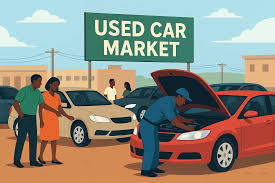
Buying a used car in Nigeria can save you millions of naira compared to purchasing a brand-new vehicle. Whether you're buying a Nigerian-used car or a foreign-used (Tokunbo) vehicle, doing your homework before making payment is essential.
Unfortunately, not every vehicle advertised for sale is in the condition it appears to be. Some cars have hidden accident damage, tampered mileage, forged documents, or unresolved legal issues.
The good news is that many of these problems can be identified before you buy.
Here's a practical guide to verifying a used car in Nigeria.
1. Start With the Documents
Before inspecting the vehicle itself, ask to see the available documents.
These may include:
Proof of ownership
Customs documents (for imported vehicles)
Vehicle registration documents
Roadworthiness certificate (if applicable)
Insurance documents
Make sure the information on the documents matches the vehicle.
Check the:
Vehicle Identification Number (VIN)
Engine number
Chassis number
Registration number
If there are inconsistencies, ask questions before proceeding.
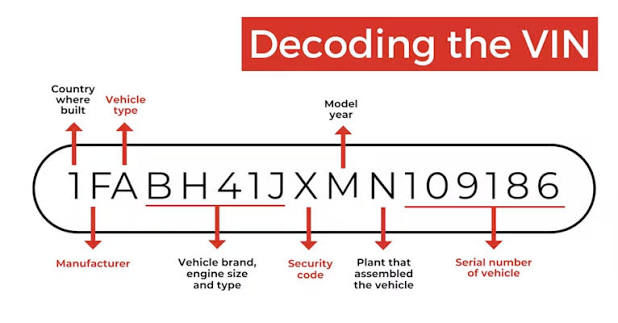
2. Verify the VIN (Vehicle Identification Number)
Every vehicle has a unique VIN.
You can usually find it:
On the dashboard near the windshield
Inside the driver's door frame
On the engine bay
On the vehicle documents
All VIN locations should match.
A missing, altered, or mismatched VIN is a serious warning sign.
For many imported vehicles, online VIN lookup services can also provide information such as:
Original specifications
Manufacturing year
Factory-installed equipment
Previous auction records (for some imports)
Reported accident history where available
While these reports are not always complete, they can reveal valuable information.
3. Inspect for Accident Repairs
Many vehicles on the market have had repairs.
That alone is not necessarily a problem.
What matters is how well the repairs were done.
Look for:
Different paint shades
Uneven panel gaps
Welding marks
Overspray
Misaligned doors
Crooked bumpers
Poor repair quality may indicate significant previous damage.
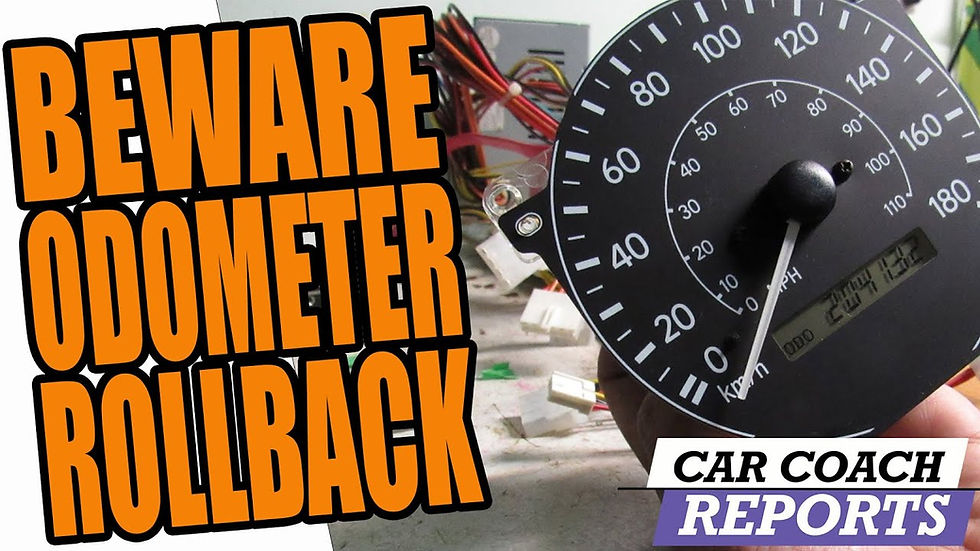
4. Confirm the Mileage Makes Sense
Mileage tells part of a vehicle's story.
Unfortunately, odometer tampering can happen.
Compare the mileage with:
Interior wear
Steering wheel condition
Seat condition
Pedal wear
Service history
A vehicle showing very low mileage but heavy interior wear deserves closer inspection.
5. Check the Engine and Transmission
Ask to start the vehicle from a cold engine.
Pay attention to:
Unusual smoke
Engine knocking
Rough idling
Warning lights
Delayed gear engagement
Transmission jerking
Don't rely solely on how clean the engine looks.
A freshly washed engine can sometimes hide leaks.
6. Test Every Electrical Feature
Modern cars have numerous electronic systems.
Before buying, test:
Air conditioning
Power windows
Door locks
Dashboard lights
Reverse camera
Parking sensors
Audio system
Steering wheel controls
Exterior lights
Electrical repairs can be surprisingly expensive.
7. Take a Proper Test Drive
Never buy a vehicle without driving it.
During the test drive, check:
Steering response
Brake performance
Suspension comfort
Gear changes
Engine power
Strange noises
Drive over speed bumps if possible.
Poor suspension often reveals itself on uneven roads.
8. Don't Skip a Mechanic's Inspection
Even if the vehicle appears perfect, have it inspected by a trusted mechanic.
A professional inspection may reveal problems that are not visible during a casual inspection.
The inspection fee is usually much cheaper than repairing a major engine or transmission fault later.
9. Verify the Seller
Whether you're buying from an individual or a dealership, make sure you know who you're dealing with.
Ask questions.
A genuine seller should be willing to explain:
Ownership history
Service history
Reason for selling
Accident history
If someone becomes defensive or refuses basic questions, proceed carefully.
10. Don't Rush Because of "Limited-Time Offers"
One of the oldest sales tactics is creating unnecessary urgency.
Statements like:
"Another buyer is coming."
"You must pay today."
"This price ends in one hour."
may be genuine—but they can also pressure buyers into making rushed decisions.
A good purchase is worth taking time to verify.
Common Red Flags
Be cautious if you notice:
Missing documents
Mismatched VIN numbers
Unusually low prices
Poor-quality repairs
Heavy smoke from the exhaust
Refusal to allow inspection
Pressure to pay immediately
Inconsistent ownership information
One red flag may not end the deal.
Several together should make you think twice.
Santonis Insight
Buying a used car in Nigeria doesn't have to be stressful.
The buyers who avoid costly mistakes are usually not the ones with the biggest budgets—they're the ones who ask the right questions and take their time.
Never let excitement replace proper verification.
A careful inspection today can save you from months—or even years—of unexpected repairs and regret.
Final Thoughts
Whether you're buying a Tokunbo vehicle or a Nigerian-used car, verification is one of the most important steps in the buying process.
Check the documents, confirm the VIN, inspect the vehicle thoroughly, test-drive it, and involve a trusted mechanic before making payment.
A smart buyer doesn't just look at how a car shines in the sun.
They look for signs that it will still perform reliably long after the purchase.
Looking for a Used Car in Nigeria?
Santonis Car Catalog helps you browse vehicles from multiple dealers in one place, making it easier to compare options, ask informed questions, and find a car that suits your needs with confidence.
Comments