
What Is Blind Spot Monitoring? How It Works and Why It Makes Driving Safer

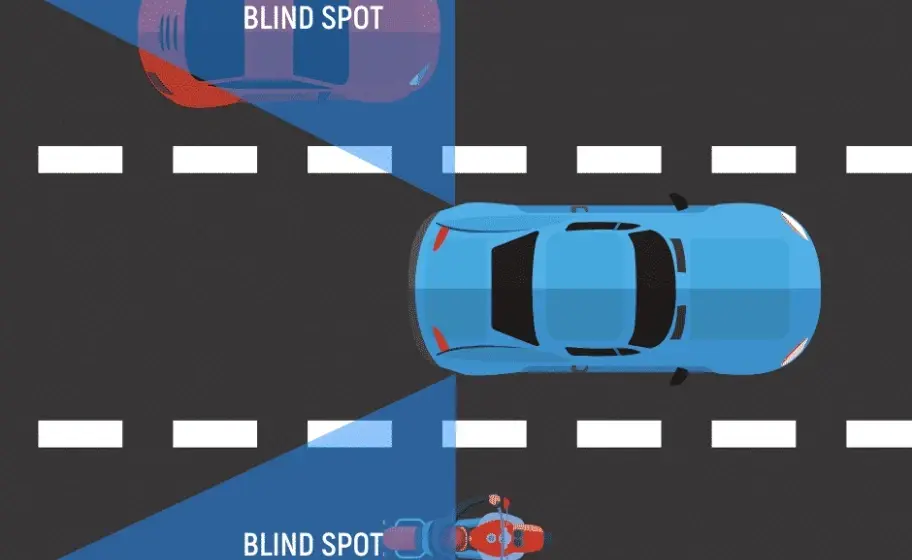
Changing lanes is something most drivers do every day without much thought.
However, even with properly adjusted mirrors, every vehicle has areas that cannot be seen directly by the driver. These areas are known as blind spots.
Blind Spot Monitoring (BSM) is a modern driver-assistance feature designed to help drivers become more aware of vehicles travelling in those hidden areas.
In this guide, we'll explain what Blind Spot Monitoring is, how it works, its advantages, limitations, and whether it's a feature worth considering when buying your next vehicle.
What Is Blind Spot Monitoring?
Blind Spot Monitoring is a safety technology that detects vehicles travelling alongside or slightly behind your car in areas that may not be visible through your mirrors.
When another vehicle enters your blind spot, the system alerts you so you can make a safer lane change.
It is designed to assist the driver—not replace proper mirror checks and looking over your shoulder before changing lanes.
How Does Blind Spot Monitoring Work?
Most Blind Spot Monitoring systems use:
Radar sensors mounted in the rear bumper
Cameras on some vehicle models
Electronic control systems that continuously monitor nearby traffic
As you drive, the sensors scan the lanes beside your vehicle.
If another vehicle is detected within your blind spot, the system activates a warning.
How Does the System Warn You?
Different manufacturers use different warning methods, including:
An illuminated icon in the side mirror
A warning light on the door mirror housing
Audible alerts
Visual dashboard messages
Steering wheel or seat vibration on some premium vehicles
If you activate your turn signal while a vehicle is in your blind spot, many systems provide a stronger warning.
What Are the Benefits?
Increased Awareness
Blind Spot Monitoring helps drivers notice vehicles that may not be visible through mirrors alone.
Added Confidence on Highways
Changing lanes at highway speeds can be stressful.
The system provides an extra layer of awareness during overtaking and merging.
Reduced Risk of Lane-Change Collisions
While drivers remain responsible for checking their surroundings, Blind Spot Monitoring can help reduce the likelihood of changing lanes into another vehicle.
Helpful in Heavy Traffic
Busy roads often involve vehicles travelling closely together.
Blind Spot Monitoring provides additional assistance in these situations.
Are There Any Limitations?
Yes.
Like every driver-assistance feature, Blind Spot Monitoring has limitations.
It may not detect:
Motorcycles in certain situations
Very fast-approaching vehicles
Objects outside the sensor range
Vehicles during severe weather conditions
Dirt-covered or damaged sensors
Drivers should never rely solely on the system when changing lanes.
Blind Spot Monitoring vs Blind Spot Mirrors
Some drivers install small convex mirrors to improve visibility.
These mirrors can help reduce blind spots, but they do not actively detect other vehicles.
Blind Spot Monitoring continuously watches the area beside your vehicle and provides alerts when another vehicle is present.
Many drivers find that using both mirrors correctly and having Blind Spot Monitoring offers the greatest confidence.
Which Cars Have Blind Spot Monitoring?
Blind Spot Monitoring is becoming increasingly common on modern vehicles.
Depending on the model year and trim level, it may be available on vehicles from:
Toyota
Lexus
Mercedes-Benz
BMW
Honda
Hyundai
Kia
Nissan
Ford
Volkswagen
Availability varies, so always confirm the equipment fitted to the specific vehicle you're considering.
Is Blind Spot Monitoring Worth It?
For many drivers, yes.
Although it doesn't replace safe driving habits, Blind Spot Monitoring provides valuable extra awareness that can make everyday driving more comfortable—especially on busy roads and highways.
If you're comparing two similar vehicles, this feature may be worth considering alongside other safety technologies.
Santonis Insight
Modern vehicles offer far more than comfortable seats and large touchscreens.
Safety technologies such as Blind Spot Monitoring help drivers make better-informed decisions behind the wheel.
Understanding these features allows you to compare vehicles based not only on appearance but also on the technology designed to protect you and your passengers.
Final Thoughts
Blind Spot Monitoring is one of the most practical safety technologies available in today's vehicles.
By helping drivers detect vehicles that are difficult to see, it adds another layer of confidence during everyday driving.
While it should never replace attentive driving, it can become a valuable partner every time you change lanes.
Looking for a Vehicle with Modern Safety Features?
Whether you're interested in a family sedan, SUV, or luxury vehicle equipped with Blind Spot Monitoring and other advanced driver-assistance technologies, Santonis can help.
Visit our Find My Car platform:
Tell us your preferred make, model, budget, and must-have features, and we'll help you source the right vehicle.


Comments